For my comparative analysis, I chose to reflect on these three instructional strategies that I would someday enjoy using in the classroom.
The first teaching method is Jigsaw. This activity is a great way to learn information while also speaking to different classmates. The students begin in groups, each individual group learns something different. After discussion what they’ve learned new groups then form so that each group is represented in this new group. Each member must relay the information they learned from their “expert” group back to the “home” group. This gives the students a role in their learning that they might be excited or proud to share to their group.

The second teaching method is Peer Teaching. This method is used often in classrooms. When learning something new the teacher might tell you to turn to a classmate or a few in order to discuss what is happening and to build off of each other’s understanding. This can be beneficial to explore the ways that other students learn and understand concepts that can be implemented into other students learning as well.

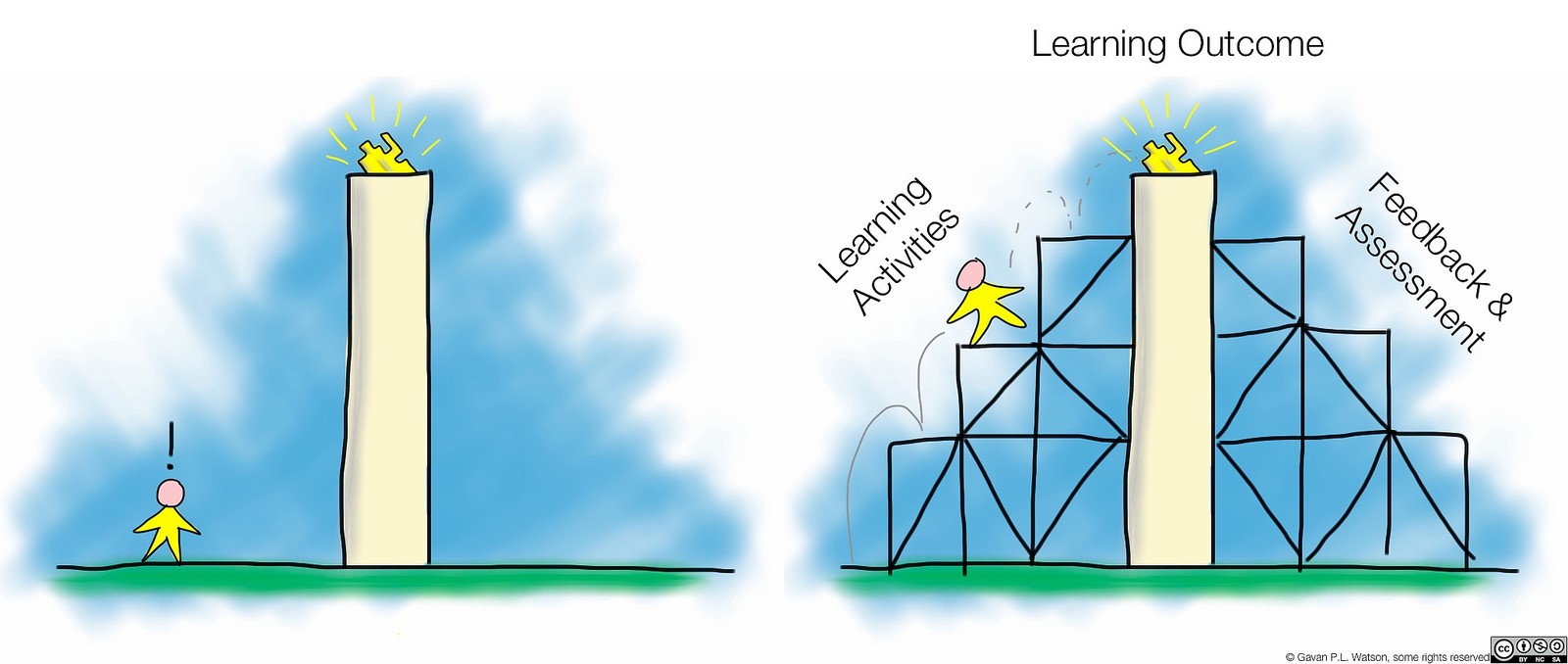
The third teaching method I am discussing is Scaffolding. Scaffolding is an approach that involves a building upon knowledge in order to help students grasp concepts within their reach, that they might need a push to get to. An example of this could be a teacher facilitating a conversation about Hamlet. The students may be understanding the themes of the play but not understanding the outcome. The teacher can lead a discussion providing specific examples and asking questions that can help students build to their own comprehension of the play’s outcome.
 Emma's Teaching Corner